The Role of Fencing in Sustainable Landscaping Solutions Jul 04, 2026
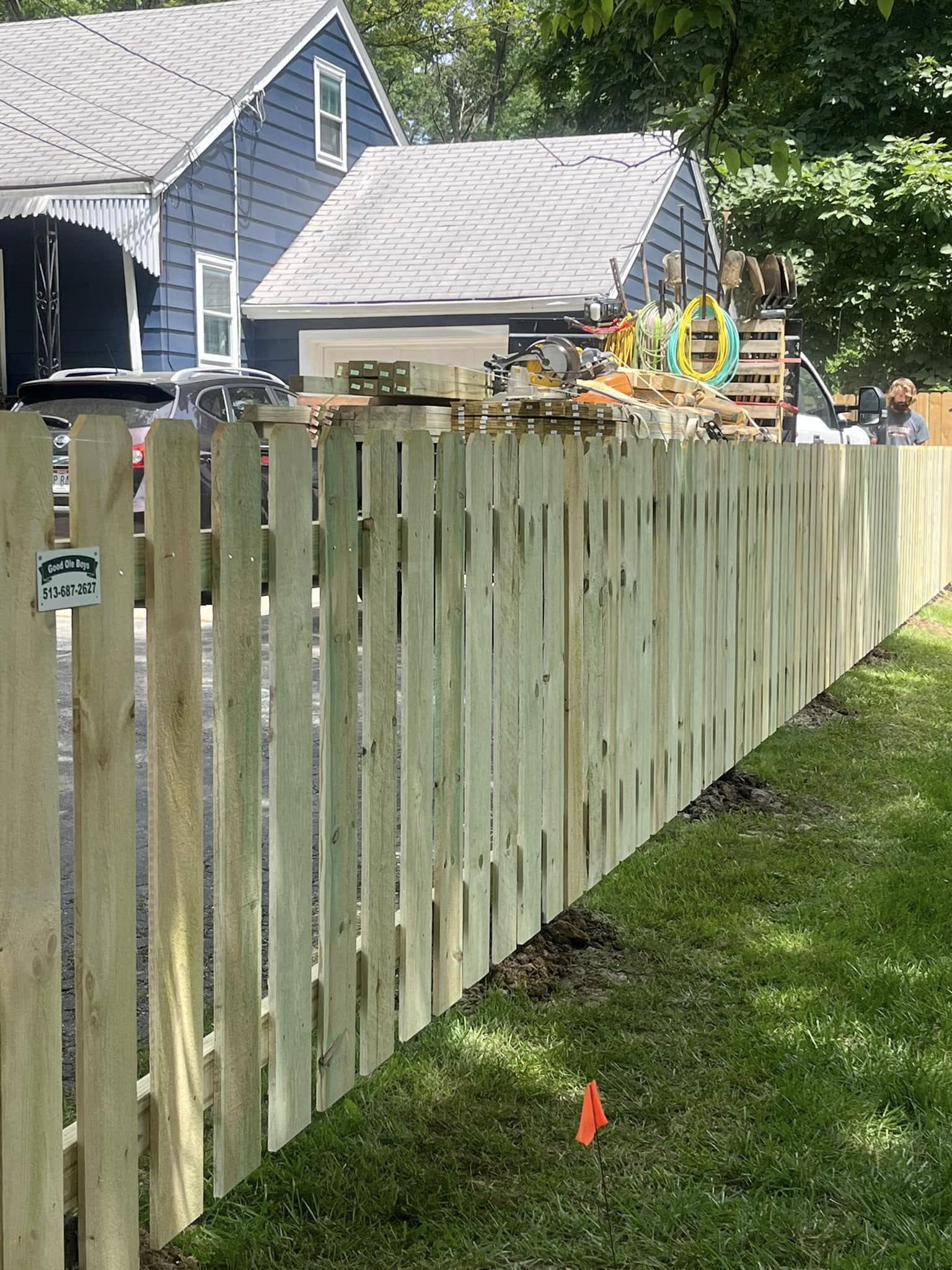
Fencing, at its core, serves as a boundary marker, privacy enhancer, and security provider. However, by choosing the right materials and designs, it can further promote environmental sustainability. For instance, opting for materials such as bamboo or recycled wood can significantly reduce your carbon footprint. These materials are not only sustainable but durable, offering resistance to the elements without sacrificing aesthetic appeal. Metal fencing, particularly when recycled or sustainably produced, is another excellent option that combines strength with environmental responsibility.
A well-designed fence can also help in water conservation which is a cornerstone of sustainable landscaping. By strategically placing fences, you can create microclimates that help manage water runoff and reduce evaporation. This is particularly beneficial in drought-prone areas where effective water use is critical. Additionally, using permeable materials in your fence design allows water to naturally seep into the ground, further conserving this precious resource.
When considering the role of fencing in energy conservation, it’s clear that an expertly installed fence can act as an insulating barrier. In regions prone to extreme weather conditions, fences serve to block strong winds and direct sunlight. This natural insulation means you may rely less on artificial heating and cooling systems, which can lower energy consumption and, consequently, reduce household energy bills.
Fencing can also contribute to biodiversity. By selecting materials that integrate well with plant life, fences can become part of a living ecosystem. Incorporating climbing plants or using designs that accommodate plant growth can transform a simple fence into a vibrant, living wall. This integration supports local wildlife, such as birds and insects, promoting a healthy, balanced ecosystem within your yard. Good Ole Boys Fence LLC suggests considering this facet when choosing your fence to ensure your landscaping supports native species and contributes to biodiversity.
Privacy is another crucial element of sustainable living that fencing can enhance. Beyond the traditional function of a fence, thoughtful design can ensure personal space without resorting to non-natural barriers. Fences that incorporate natural elements provide privacy while maintaining harmony with the environment, eliminating the need for chemical treatments or invasive construction.
In conclusion, fencing is more than just a boundary for your property. It can be a crucial factor in creating a sustainable landscape that conserves resources, supports biodiversity, and contributes to personal comfort and privacy. By considering environmentally friendly materials and innovative designs, homeowners can make a significant positive impact on their immediate environment.
Good Ole Boys Fence LLC is dedicated to helping you find the fencing solution that best complements your sustainable landscaping goals. Not only do these solutions benefit the environment, but they also add long-lasting value to your property, showing that sustainability and aesthetic appeal can go hand in hand. As we continue to seek sustainable solutions, incorporating thoughtful fencing into your landscaping plan is a step towards a more sustainable future.
/filters:no_upscale()/filters:format(webp)/media/11d4252b-f24a-4e09-a647-1d295122e4ac.jpeg)